Boost Brain Health with Guided Meditations
- ourmindfulkingdom
- Jan 13
- 4 min read

In our fast-paced world, maintaining optimal brain health is more crucial than ever. Stress, distractions, and the constant barrage of information can overwhelm our minds, leading to decreased focus, anxiety, and even cognitive decline. One effective way to combat these challenges is through guided meditation. This practice not only promotes relaxation but also enhances cognitive function, emotional well-being, and overall brain health. In this post, we will explore the benefits of guided meditation, how to get started, and practical tips to incorporate it into your daily routine.
Understanding Guided Meditation
Guided meditation involves a narrator or teacher leading you through a meditation session. This can be done in person or through audio or video recordings. The guidance helps you focus your thoughts, relax your body, and achieve a meditative state more easily than if you were to meditate alone.
Benefits of Guided Meditation for Brain Health
Reduces Stress and Anxiety
Stress is a significant factor that can negatively impact brain health. Guided meditation helps lower cortisol levels, the hormone associated with stress. Regular practice can lead to a calmer mind and reduced anxiety.
Enhances Focus and Concentration
Meditation trains the brain to focus better. Studies have shown that individuals who practice meditation regularly experience improved attention spans and cognitive flexibility, making it easier to concentrate on tasks.
Improves Memory
Engaging in guided meditation can enhance memory retention. Research indicates that mindfulness practices can lead to structural changes in the brain, particularly in areas associated with memory and learning.
Promotes Emotional Well-being
Guided meditation fosters a greater sense of self-awareness and emotional regulation. This can lead to improved mood and a decrease in symptoms of depression.
Encourages Neuroplasticity
Neuroplasticity is the brain's ability to reorganize itself by forming new neural connections. Meditation has been shown to promote neuroplasticity, which is essential for learning and adapting to new experiences.
Getting Started with Guided Meditation
Choosing the Right Resources
There are numerous resources available for guided meditation, including apps, websites, and YouTube channels. Here are a few popular options:
Apps: Headspace, Calm, and Insight Timer offer a variety of guided meditations tailored to different needs and experience levels.
YouTube Channels: Channels like The Honest Guys and Jason Stephenson provide free guided meditations that cover various themes, from stress relief to sleep enhancement.
Setting Up Your Meditation Space
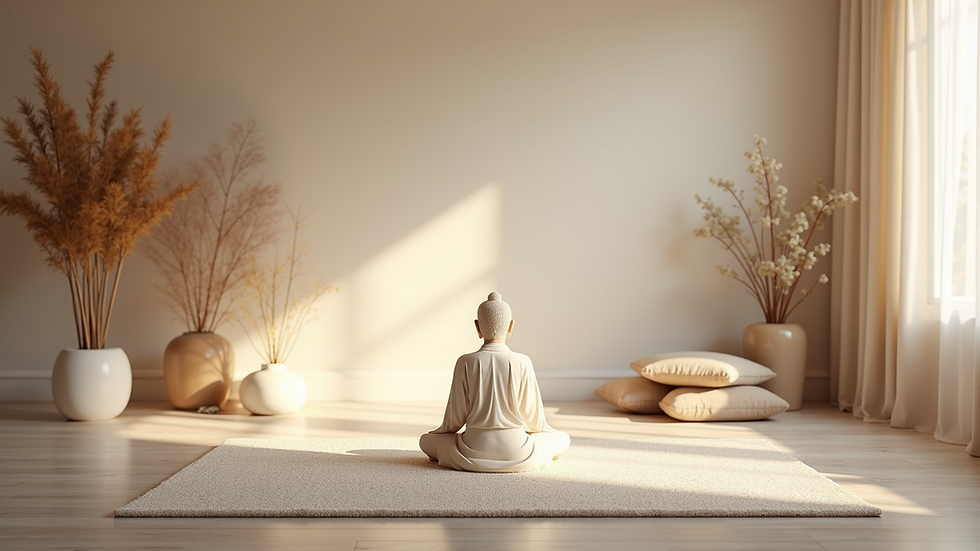
Creating a dedicated meditation space can enhance your practice. Here are some tips for setting up your space:
Choose a Quiet Location: Find a place where you won’t be disturbed. This could be a corner of your room, a garden, or any peaceful area.
Add Comfort: Use cushions, mats, or chairs to make your space comfortable. Consider adding calming elements like plants, candles, or soft lighting.
Limit Distractions: Turn off your phone or any devices that might interrupt your meditation.
Establishing a Routine
Consistency is key when it comes to meditation. Here are some tips to help you establish a routine:
Start Small: If you’re new to meditation, begin with just 5-10 minutes a day. Gradually increase the duration as you become more comfortable.
Choose a Time: Find a time that works best for you, whether it’s in the morning, during lunch, or before bed.
Be Patient: It’s normal for your mind to wander during meditation. Gently bring your focus back to the guided narration without judgment.
Practical Tips for Effective Guided Meditation
Focus on Your Breath
Pay attention to your breathing. Inhale deeply through your nose, hold for a moment, and exhale slowly through your mouth. This simple practice can help ground you and enhance your meditation experience.
Visualize
Many guided meditations incorporate visualization techniques. Imagine a peaceful scene, such as a beach or forest, to help deepen your relaxation.
Use Affirmations
Incorporate positive affirmations into your meditation. Phrases like “I am calm” or “I am focused” can reinforce a positive mindset.
Stay Open-Minded
Approach each session with an open mind. Some days may feel more productive than others, and that’s perfectly okay.
Reflect After Each Session
Take a moment after your meditation to reflect on your experience. Consider keeping a journal to note any insights or feelings that arise during your practice.
Overcoming Common Challenges
Difficulty Concentrating
If you find it hard to concentrate, try these strategies:
Shorter Sessions: Start with shorter meditation sessions and gradually increase the time as your focus improves.
Guided Sessions: Use guided meditations that specifically target concentration and focus.
Restlessness
Feeling restless during meditation is common. Here’s how to manage it:
Physical Movement: Consider doing some light stretching or yoga before meditating to release pent-up energy.
Change Your Position: If sitting still is uncomfortable, try lying down or using a chair.
Self-Doubt
Many beginners experience self-doubt about their meditation practice. Remember:
Practice Makes Perfect: Meditation is a skill that takes time to develop. Be patient with yourself and celebrate small victories.
Seek Community: Joining a meditation group or community can provide support and encouragement.
Incorporating Guided Meditation into Daily Life
Morning Routine
Start your day with a short guided meditation to set a positive tone. This can help you approach the day with clarity and focus.
Midday Break
Take a few minutes during your lunch break for a quick meditation session. This can recharge your mind and improve productivity for the rest of the day.
Evening Wind Down
End your day with a calming guided meditation to help you relax and prepare for sleep. This can improve sleep quality and promote a restful night.
Conclusion
Guided meditation is a powerful tool for enhancing brain health and overall well-being. By incorporating this practice into your daily routine, you can reduce stress, improve focus, and foster emotional resilience. Start small, be consistent, and remember that every moment spent in meditation is a step towards a healthier mind. Embrace the journey, and let guided meditation transform your life.
Take the first step today by finding a guided meditation that resonates with you and dedicating a few minutes to your mental health. Your brain will thank you!


Comments